This is the truth that grieving dog parents rarely speak out loud — but deeply deserve to hear.
When you lose a dog — your companion, your heartbeat, your family, your friend — the world doesn’t just break in one place, and it certainly doesn’t pause for you. It shatters everywhere. Grief isn’t soft or poetic at first. It’s heavy. It’s disorienting. It’s ugly. And it’s filled with emotions you never expected to feel, let alone admit.
If you’re here, reading this, please know this first truth:
Nothing you’re feeling is wrong.
Nothing you’re experiencing makes you weak or dramatic.
You’re grieving… and grieving a dog can shake you to your core.
This article dives into what grief really feels like — the symptoms, the emotions, the questions, the things people don’t say out loud, and the slow, gentle ways healing eventually begins.
The Physical Side of Grief: When Your Body Breaks Before Your Heart Can Catch Up
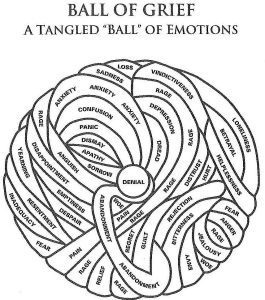
People don’t talk enough about what grief does to your body. But when you lose your dog, the physical symptoms are often the first to hit.
Fatigue that feels bone-deep
It’s not “tired.” It’s exhaustion — the kind where your limbs feel heavy and even basic tasks feel impossible.
The tight chest
That crushing sensation that makes you wonder if something is wrong with your heart.
But what hurts isn’t the muscle — it’s the love that no longer has a place to land.
Stomach problems
Nausea, loss of appetite, over-eating for comfort, digestive issues.
Grief lives in the gut before it lives anywhere else.
Trouble sleeping
You replay their last day.
You hear phantom footsteps, phantom collar jingles, phantom sighs.
You feel your bed sink as if they were there.
Your brain searches for what is no longer there.
Trembling, shaking, restlessness
Your nervous system is trying to process trauma.
Brain fog and difficulty concentrating
People underestimate this one.
You may forget appointments, lose track of conversations, or stare at a wall without knowing how long you’ve been standing there.
Your body is grieving, too.
Your body loved them, too.
The Emotional Storm: The Feelings You Expect… and the Ones You Don’t
Grief comes in layers — some expected, some shocking, and some we don’t talk about because we think they make us “bad” people.
Sadness that feels endless
Of course there is sadness.
But it’s not a simple sadness — it’s the kind that knocks the air out of your lungs.
Anger — at the world, at time, at yourself
You may feel mad at things that don’t make sense:
- The vet
- The universe
- The aging process
- Other people’s joy
- Your job
- Family or friends who don’t understand
- The fact that love does not equate to more years
Anger is grief wearing armor.
Guilt that sits in your chest like a stone
“You trusted me — did I fail you?”
This is one of the loudest grief symptoms.
Jealousy — the unspoken, misunderstood emotion
This one surprises most people.
You see someone walking their dog, laughing, throwing a ball — and something inside you twists.
Not because you wish harm.
But because you wish so desperately that your baby was still here too.
Worse than that, you may see someone you know doesn’t treat their dog like you did — like family — and you wonder why you lost your dog and theirs is still here.
You’re not selfish.
You’re grieving.
Numbness
Some days feel like nothing at all.
No emotion. No feeling. Just emptiness.
Relief — and the shame that follows
People rarely talk about this.
But if your dog was suffering, you may feel a moment of relief that they are no longer in pain.
And then the guilt for feeling that relief becomes its own separate grief.
This does not make you a bad dog parent.
It makes you human.
The Questions That Haunt You: The Mental Loop No One Warned You About
Grief turns your brain into a movie reel you can’t shut off.
You replay everything — especially the ending.
“Did I make the right choice?”
This one can torture you — especially with euthanasia, where love and responsibility collide in the most devastating way.
“Should I have done more?”
Because love always feels like it should have been enough to save them.
“What if I had noticed sooner?”
As if noticing would have given you superhuman powers.
“Why didn’t I get more time?”
Because no amount of time would have ever felt like enough.
“Am I allowed to miss them this much?”
Yes.
A thousand times yes.
Every dog parent asks these questions.
Every single one.
You are not alone — you’re grieving a soul connection.
The Things You Feel That You Would Never Say Out Loud
These are the things people keep quiet because they’re afraid of being judged.
But here, in Gracie’s-Garden, these truths are safe — and you are never being judged.
You might avoid people with dogs.
Because seeing what you lost feels like reopening the wound.
You may feel resentment toward people who still have their dogs.
Not because you wish them harm — but because their life looks like the one you want back.
You may feel disconnected from friends and family.
Because they don’t understand that you didn’t “just lose a pet.”
You lost your family.
And for some of us — and I include myself here — losing a dog can hurt more than losing a human family member.
Not because we value our human loved ones any less, but because the bond with a dog is unconditional, uncomplicated, and incredibly intimate.
It’s the one being who loved us without judgment, without distance, without conditions.
And when that kind of love is gone, the pain is unlike anything else.
It’s not about loving a dog “more.”
It’s about loving them differently — and that difference creates a grief that can feel uniquely profound.
You may feel broken when the world keeps going.
The world keeps spinning, but your world has stopped.
People go to work.
The sun rises and sets.
Traffic is still traffic.
And you’re standing in a house that feels wrong without the sound of paws on the floor.
The silence of their paws is deafening.
You may think, “I can’t do this.”
But you are doing it — breath by breath, hour by hour.
You may wonder if you’ll ever feel whole again.
And the truth is:
A part of your heart has died — or at least, that’s how it feels.
But you will be okay again.
Different. Softer. Forever changed.
But okay.
The Shift: When Grief Slowly Begins to Soften
This part doesn’t happen all at once.
It happens quietly, in tiny moments you may not even notice at first.
A day when you wake up and breathing feels a little easier
Not healed — just not drowning.
A moment you remember them and smile before you cry
A sign of love taking the lead again.
The guilt loosens
You begin to recognize you made decisions from love, not failure.
The jealous feelings fade
Not all at once — but slowly, you feel less anger at the world.
You begin to reconnect with life
Conversations. Routines. Rest.
Not because you’ve “moved on,”
but because you’re moving with their memory.
You start to carry them instead of carry the pain
This is where healing begins — quietly, gently, naturally.
The Truth That Matters Most
Grief feels overwhelming because the love was overwhelming.
Everything you’re feeling — the panic, the guilt, the anger, the numbness, the shame, the jealousy, the heartbreak — it all comes from one place:
You loved your dog so deeply that losing them shattered you.
But here is the part I need you to hold onto:
You are not alone.
You are not broken.
You are grieving.
And grief, with time and tenderness, softens into love.
In the beginning, grief feels like drowning.
But slowly — gently — it becomes a current you can float with.
And then a tide you can walk beside.
And then a part of your story you carry your dog into the world with.
Your grief is a reflection of your love.
And love doesn’t end.
Not here.
Not now.
Not ever.
And here in Gracie’s-Garden, you never have to carry that love — or that grief — alone.
 © 2025 Gracie’s-Garden Daphne Newman All Rights Reserved